



soft furnishing matching
Soft furnishing matching is an essential part of interior design, transforming an empty room into a comfortable, cohesive, and visually pleasing space. It focuses on coordinating fabrics, colors, textures, and patterns in items such as curtains, cushions, rugs, bed linens, and upholstery. Thoughtful matching can highlight the architectural features of a room, create a particular mood, and reflect the personality and lifestyle of the people who live there.Color is usually the starting point. A successful scheme often begins with a base palette of two or three main colors taken from a key item, such as a rug, a piece of art, or a patterned fabric. Neutrals like white, beige, grey, and soft taupe provide a calm backdrop and allow bolder accent colors to stand out in cushions, throws, or decorative pillows. Repeating the same colors in different furnishings throughout the room helps create unity, while subtle variations in shade keep the design from feeling flat or monotonous.Texture is equally important in soft furnishing matching. Combining smooth, rough, matte, and shiny surfaces adds depth and interest. For example, pairing a linen sofa with velvet cushions, a chunky knit throw, and a silky curtain fabric can make a space feel richer and more layered. In living rooms and bedrooms, a balance of soft and structured textures can enhance comfort while still looking refined.Pattern mixing requires more care, but it brings character and dynamism to an interior. A good approach is to vary the scale: one large pattern (such as a bold floral curtain), one medium pattern (perhaps a geometric rug), and one small pattern (like a subtle stripe on cushions). Keeping the same color family across different patterns ties them together, preventing visual chaos. Solid-colored furnishings can be used to “rest the eye” between more active designs.Function should never be overlooked. Fabrics must be chosen according to how the space is used. In busy households or homes with children and pets, durable, stain-resistant materials are critical for sofas, dining chairs, and frequently handled cushions. In bedrooms, breathable, soft fabrics like cotton and linen promote comfort and rest. Light-filtering or blackout linings in curtains and blinds can improve privacy and sleep quality.Proportion and placement also influence how well soft furnishings work together. Rug size should be appropriate to the room and furniture layout, anchoring the seating or sleeping area. Cushion sizes and quantities should complement the scale of the sofa or bed, avoiding both overcrowding and sparseness. Window treatments need to be measured carefully so they frame the windows gracefully and fall at the correct length.Ultimately, successful soft furnishing matching combines aesthetic harmony with practical living needs. By carefully coordinating color, texture, pattern, and function, any interior can feel more inviting, balanced, and complete.
Products
Category:
-

chandelier
Category: ChandelierBrowse number: 25Number:Release time: 2026-03-27 18:27:39Integrator and manager of high-end space customization and engineering projects -
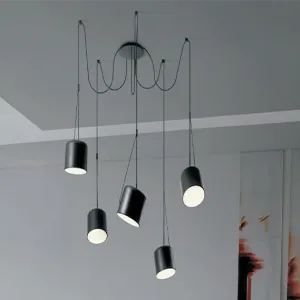
chandelier
Category: ChandelierBrowse number: 24Number:Release time: 2026-03-27 18:29:55Integrator and manager of high-end space customization and engineering projects -
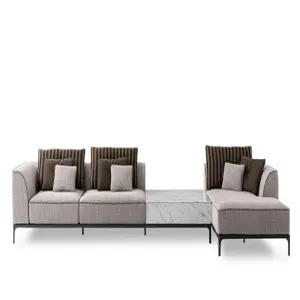
sofa
Category: SofaBrowse number: 20Number:Release time: 2026-03-29 01:41:56Integrator and manager of high-end space customization and engineering projects
News
Category:
-
[industry news] What Is the Process of Sea Transportation for Hotel Furnitu...
2026-04-04 09:00:12 -
[industry news]Whole-house customization custom cabinets hotel accessories...
2026-04-14 10:47:00 -
[industry news] Where Can You Find Professional Installation Service for Cu...
2026-04-16 10:58:04
Case
Category:
No search results found!
Video
Category:
No search results found!
Download
Category:
No search results found!
Job
Category:
No search results found!
Featured Products
No search results found!



 Phone
Phone