



movable furniture
Movable furniture refers to pieces that are designed to be easily relocated, reconfigured, and adapted to changing needs. Unlike built‑in fixtures, this type of furniture typically has lightweight structures, modular components, or integrated casters that support frequent movement without damage. It is increasingly popular in homes, offices, schools, and public spaces because it offers flexibility, efficiency, and more creative use of space.In modern living environments, movable furniture helps people make the most of limited floor area. A compact apartment, for example, can benefit from foldable tables, nesting chairs, and modular sofas that can be rearranged in minutes. A dining table can slide against the wall and serve as a work desk during the day; a sofa with wheels can shift to open up a play area for children. This adaptability allows one space to serve multiple purposes, reducing the need for separate rooms and extra furniture.In offices and coworking spaces, movable furniture supports dynamic work styles. Desks with lockable casters, mobile storage units, and stackable chairs make it easy to reconfigure layouts for meetings, workshops, or focused individual work. Teams can quickly assemble collaborative zones or break them down to create quiet areas. This freedom to reshape the environment helps organizations respond to changing team sizes, project demands, and new technologies, all without major renovation costs.Educational institutions also rely on movable furniture to support active learning. Classrooms equipped with mobile desks and chairs, rolling whiteboards, and modular seating can be rearranged to suit group discussions, lectures, or project-based activities. Students and teachers can experiment with different configurations to encourage interaction, improve sightlines, and support various teaching methods. This flexibility helps create more engaging and inclusive learning spaces.Design features are crucial to the performance of movable furniture. Frames are often made from steel, aluminum, or durable plastics to keep weight low while maintaining strength. Lockable casters provide mobility and stability, allowing items to stay securely in place when needed. Modular components—such as clip‑on shelves, attachable panels, and interchangeable cushions—enhance customization. Many designs also focus on ergonomics, ensuring that frequent reconfiguration does not compromise comfort or safety.Sustainability is another important aspect. Because movable furniture can adapt to new spaces and uses, it often has a longer functional life. Instead of discarding items when a layout changes, users simply rearrange existing pieces. Some products are made from recyclable or responsibly sourced materials, and their modular construction makes repair and part replacement easier. This reduces waste and supports more responsible consumption.Overall, movable furniture reflects a shift toward more flexible, human‑centered environments. By allowing spaces to change as needs evolve, it helps people live and work more efficiently, comfortably, and creatively.
Products
Category:
-
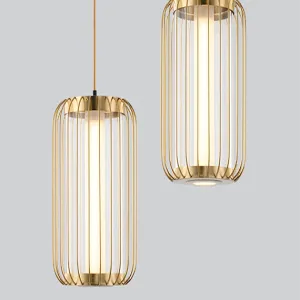
chandelier
Category: ChandelierBrowse number: 25Number:Release time: 2026-03-27 18:27:39Integrator and manager of high-end space customization and engineering projects -
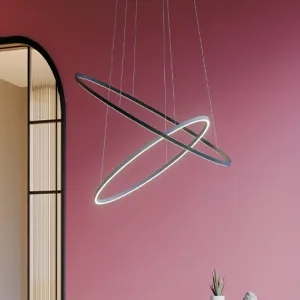
chandelier
Category: ChandelierBrowse number: 25Number:Release time: 2026-03-27 18:28:57Integrator and manager of high-end space customization and engineering projects -
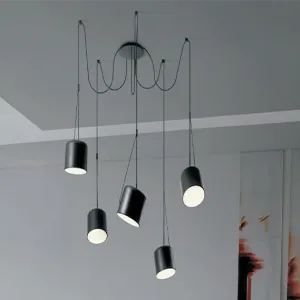
chandelier
Category: ChandelierBrowse number: 24Number:Release time: 2026-03-27 18:29:55Integrator and manager of high-end space customization and engineering projects -
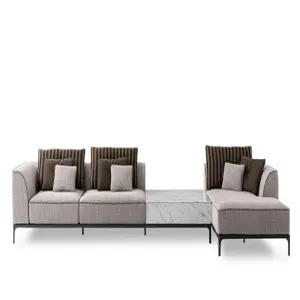
sofa
Category: SofaBrowse number: 20Number:Release time: 2026-03-29 01:41:56Integrator and manager of high-end space customization and engineering projects
News
Category:
-
[industry news] Top Reliable Hotel Engineering Service Providers with After...
2026-04-09 10:09:53
Case
Category:
No search results found!
Video
Category:
No search results found!
Download
Category:
No search results found!
Job
Category:
No search results found!
Featured Products
No search results found!



 Phone
Phone